
Navigating Risks in Complex Energy Projects

In the ever-evolving landscape of energy production and distribution, complex projects are becoming the norm rather than the exception. As the world shifts towards sustainable energy solutions, the intricacies of these projects can pose significant risks. Understanding how to navigate these risks is crucial for stakeholders involved in energy projects, from investors to project managers. This blog post will explore the various risks associated with complex energy projects and provide practical strategies for managing them effectively.

Understanding the Landscape of Energy Projects
Energy projects can range from large-scale renewable installations, such as wind farms and solar arrays, to traditional fossil fuel operations. Each type of project comes with its unique set of challenges and risks.
Types of Energy Projects
Renewable Energy Projects
Wind Farms
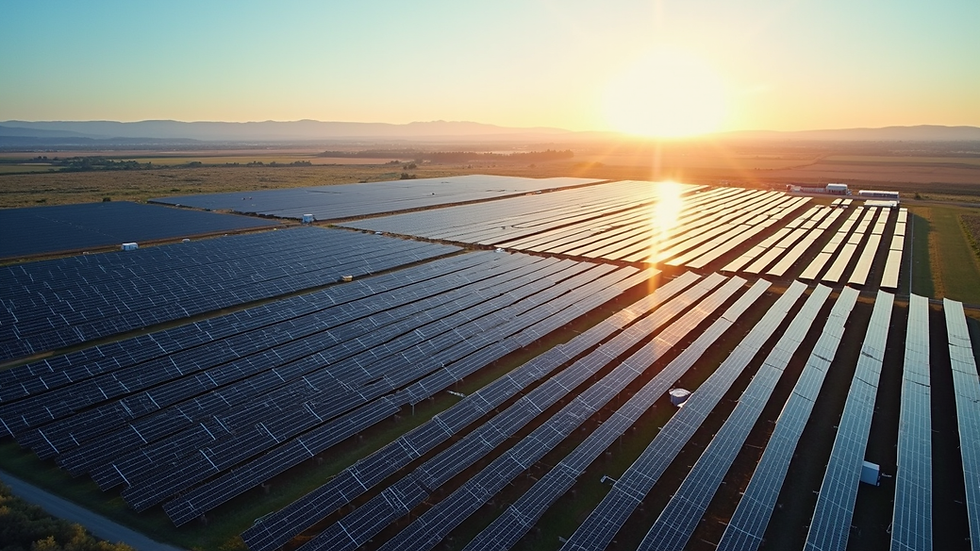
Solar Power Plants
Hydroelectric Dams
Fossil Fuel Projects
Oil Refineries
Natural Gas Plants
Coal Mining Operations
Nuclear Energy Projects
Nuclear Power Plants
Waste Management Facilities
Understanding the type of project is essential for identifying potential risks. For instance, renewable energy projects may face regulatory hurdles and technological challenges, while fossil fuel projects may encounter environmental concerns and market volatility.
Key Risks in Complex Energy Projects
Financial Risks
Financial risks are among the most significant challenges in energy projects. These can arise from fluctuating market prices, unexpected costs, and changes in government policies.
Market Volatility: Prices for energy commodities can change rapidly, impacting project profitability.
Cost Overruns: Projects often exceed their initial budgets due to unforeseen circumstances, leading to financial strain.
Funding Challenges: Securing financing can be difficult, especially for innovative projects that lack a proven track record.
Regulatory Risks
Energy projects are heavily regulated, and changes in laws or regulations can significantly impact project viability.
Permitting Delays: Obtaining the necessary permits can be a lengthy process, delaying project timelines.
Policy Changes: Shifts in government policy, such as changes in subsidies or tax incentives, can affect project feasibility.
Environmental Risks
Environmental concerns are paramount in energy projects, particularly for fossil fuel operations.
Impact Assessments: Projects must undergo rigorous environmental impact assessments, which can lead to delays or modifications.
Public Opposition: Community opposition can arise due to environmental concerns, leading to protests or legal challenges.
Technological Risks
As technology evolves, energy projects must adapt to new advancements, which can introduce risks.
Obsolescence: Rapid technological changes can render existing solutions outdated, requiring additional investment.
Integration Challenges: New technologies may not integrate seamlessly with existing systems, leading to operational inefficiencies.
Operational Risks
Operational risks relate to the day-to-day functioning of energy projects.
Supply Chain Disruptions: Delays in the supply chain can halt project progress.
Workforce Issues: Labor shortages or strikes can impact project timelines and costs.
Strategies for Managing Risks
Comprehensive Risk Assessment
Conducting a thorough risk assessment at the project's outset is crucial. This involves identifying potential risks, evaluating their likelihood and impact, and developing mitigation strategies.
Risk Matrix: Create a risk matrix to categorize risks based on their severity and likelihood.
Stakeholder Engagement: Involve stakeholders in the risk assessment process to gain diverse perspectives.
Financial Planning and Contingency Funds
Developing a robust financial plan that includes contingency funds can help manage financial risks.
Budgeting for Contingencies: Allocate a percentage of the budget for unforeseen expenses.
Diversifying Funding Sources: Explore various funding options, including grants, loans, and private investments.
Regulatory Compliance and Advocacy
Staying informed about regulatory changes and actively engaging with policymakers can mitigate regulatory risks.
Regular Monitoring: Keep track of regulatory developments that may impact the project.
Advocacy Efforts: Engage with industry associations to advocate for favorable policies.
Environmental Management Plans
Implementing an environmental management plan can address environmental risks effectively.
Impact Mitigation Strategies: Develop strategies to minimize environmental impacts, such as habitat restoration.
Community Engagement: Foster positive relationships with local communities to address concerns proactively.
Technological Adaptation
Staying abreast of technological advancements can help mitigate technological risks.
Continuous Learning: Encourage ongoing education and training for project teams on new technologies.
Pilot Programs: Test new technologies on a smaller scale before full implementation.
Operational Excellence
Focusing on operational excellence can reduce operational risks.
Supply Chain Management: Build strong relationships with suppliers to ensure timely delivery of materials.
Workforce Development: Invest in training and development programs to enhance workforce skills.
Case Studies of Successful Risk Management
Case Study 1: The Hornsea One Offshore Wind Farm
The Hornsea One Offshore Wind Farm, located off the coast of the UK, is one of the largest offshore wind farms in the world. The project faced significant financial and regulatory risks but successfully navigated these challenges through comprehensive planning and stakeholder engagement.
Risk Mitigation: The project team conducted extensive risk assessments and established contingency plans to address potential delays and cost overruns.
Community Engagement: By actively engaging with local communities, the project gained support and minimized opposition.
Case Study 2: The Ivanpah Solar Electric Generating System
The Ivanpah Solar Electric Generating System in California faced technological and environmental risks during its development. The project team implemented innovative solutions to address these challenges.
Technological Adaptation: The team utilized advanced solar technology to enhance efficiency and reduce costs.
Environmental Management: An environmental management plan was established to mitigate impacts on local wildlife.
Conclusion
Navigating risks in complex energy projects requires a proactive approach and a comprehensive understanding of the various challenges involved. By conducting thorough risk assessments, engaging stakeholders, and implementing effective management strategies, project teams can enhance their chances of success. As the energy landscape continues to evolve, staying informed and adaptable will be key to overcoming the complexities of future projects.
The journey of managing risks in energy projects is ongoing. Stakeholders must remain vigilant and prepared to adapt to new challenges as they arise. Embracing a culture of continuous improvement and learning will ultimately lead to more resilient and successful energy projects.

Comments